
Building a Standout Graphic Design Portfolio: Portfolio Design Strategies That Work

Creating a graphic design portfolio that truly stands out is essential for anyone looking to showcase their skills and attract the right clients. Whether you’re working with small businesses or large corporations, your portfolio needs to communicate your creativity, professionalism, and ability to deliver results. I’ve learned that a well-crafted portfolio is more than just a collection of pretty images - it’s a powerful tool that can transform your ideas into stunning visual realities.
Let me walk you through some practical portfolio design strategies that will help you build a portfolio that not only looks great but also drives real business success.
Understand Your Audience and Their Needs
Before you start assembling your portfolio, take a moment to think about who will be viewing it. Different businesses have different expectations. For example, a small startup might want to see fresh, innovative ideas, while a large corporation may look for polished, consistent branding work.
Here’s how to tailor your portfolio:
Research your target clients: Understand their industry, style preferences, and challenges.
Select relevant projects: Showcase work that aligns with the type of clients you want to attract.
Highlight problem-solving skills: Explain how your designs helped clients achieve their goals.
By focusing on your audience’s needs, you’ll create a portfolio that speaks directly to them and increases your chances of landing projects.
Portfolio Design Strategies: Organize and Present Your Work Effectively
A cluttered or confusing portfolio can turn potential clients away. Use clear organization and thoughtful presentation to make your work easy to navigate and understand.
Try these strategies:
Start with a strong introduction: Briefly explain who you are and what you specialize in.
Group projects by category or industry: This helps viewers find relevant examples quickly.
Use high-quality images: Crisp visuals make a big difference in how your work is perceived.
Include project descriptions: Share your role, the client’s goals, and the results achieved.
Show variety but maintain consistency: Display different styles and formats, but keep your portfolio’s overall look cohesive.
Remember, your portfolio is a reflection of your design sensibility. Keep the layout clean and easy to scan.
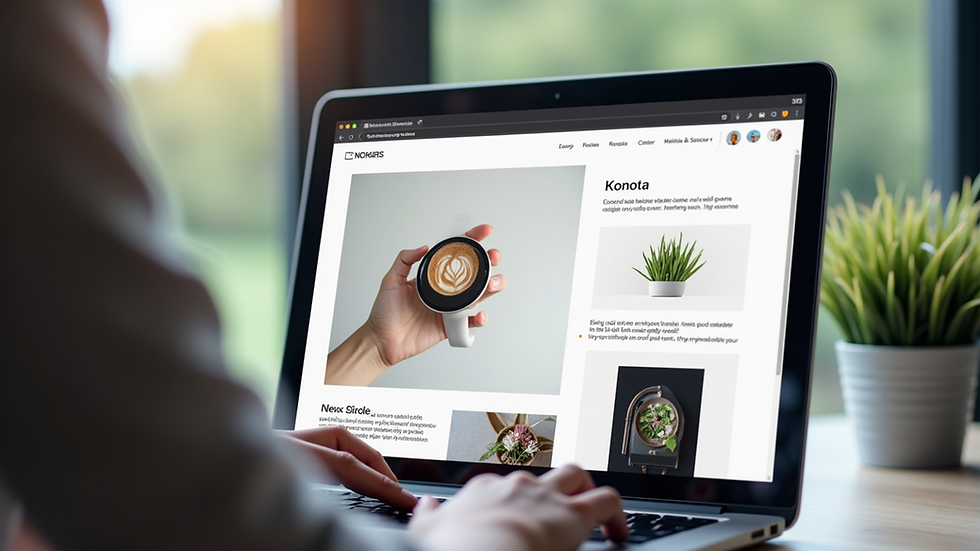
Showcase Your Best Work with Context and Impact
It’s tempting to include every project you’ve ever done, but quality always beats quantity. Focus on your best work and provide context that highlights your impact.
Here’s how to do it:
Choose 8-12 standout projects: Pick those that demonstrate your skills and versatility.
Tell a story for each project: What was the challenge? How did you solve it? What was the outcome?
Use before-and-after visuals if possible: This shows the transformation your design brought.
Include client testimonials or metrics: Positive feedback and measurable results add credibility.
This approach helps potential clients see not just what you can do, but how your work benefits their business.
Make Your Portfolio Accessible and Easy to Share
In today’s digital world, your portfolio needs to be accessible anytime, anywhere. A well-designed online portfolio can open doors to new opportunities.
Consider these tips:
Choose a responsive website platform: Your portfolio should look great on desktops, tablets, and phones.
Optimize loading times: Compress images without losing quality to keep your site fast.
Include clear contact information: Make it easy for clients to reach you.
Add social media links: Let visitors connect with you on other platforms.
Use SEO best practices: Help your portfolio get found by search engines.
By making your portfolio easy to access and share, you increase your chances of being discovered by the right clients.

Keep Your Portfolio Updated and Reflect Your Growth
A portfolio is a living document. As you grow and take on new projects, your portfolio should evolve to reflect your current skills and style.
Follow these habits:
Review your portfolio every 3-6 months: Remove outdated work and add fresh projects.
Highlight new skills or tools you’ve mastered: Show that you’re keeping up with industry trends.
Experiment with new presentation formats: Videos, interactive elements, or case studies can add depth.
Ask for feedback: Get input from peers or mentors to improve your portfolio.
Staying proactive about updates ensures your portfolio always represents your best self.
Final Thoughts on Building a Portfolio That Converts
Building a standout portfolio takes time and effort, but it’s one of the best investments you can make in your design career. By understanding your audience, organizing your work thoughtfully, showcasing your impact, making your portfolio accessible, and keeping it fresh, you’ll create a powerful tool that helps you connect with clients and grow your business.
If you want to see examples or get inspired, check out this graphic design portfolio to see how these strategies come to life in real projects.
Remember, your portfolio is your story. Tell it well, and watch your design career flourish.


Comments